Finalrentals Blog

Published in Driving Category.
The Maltese archipelago boasts an immense wealth of historical sites, rugged coastlines, and sun-drenched villages that are often inaccessible to those relying solely on public transport. For many travellers, driving in Malta is the ultimate key to unlocking the islands' true potential.
From the megalithic temples of Mnajdra to the quiet, limestone-paved streets of Gozo's villages, a rental car provides a level of autonomy that buses and ferries cannot match. However, the transition from passenger to driver in Malta requires a mindset shift. The islands possess a unique driving culture that demands both confidence and caution.
Understanding why safety is vital is the first step toward a successful journey. While the distances are short, the roads can be challenging. By prioritising safety, you ensure that your memories of Malta are defined by the shimmering blue of the Mediterranean sea and the warmth of the local pastizzi, rather than the fear of getting in an accident.
What are the Safe Driving Rules
Left-Hand Drive
Malta follows the British system of driving on the left-hand side of the road. For those coming from continental Europe or North America, this requires constant cognitive focus, particularly when exiting car parks or navigating roundabouts. The rules are simple; you must overtake on the right and traverse roundabouts in a clockwise direction. If you are approaching unmarked intersections, the Right-Before-Left rule generally applies, requiring you to give way to traffic coming from your right.
Speed Limits
The legal speed limits in Malta are designed for the high-density nature of the islands and are strictly monitored by a network of fixed and mobile speed cameras. In built-up urban areas and villages, the limit is typically 50 km/h, though this often drops to 30 km/h in residential zones or near schools. On open rural roads, the limit is 80 km/h. It is important to note that Malta has no motorways, and even the dual carriageways carry the maximum limit. Exceeding these limits results in significant fines starting from approximately €70.
Safety Restraints
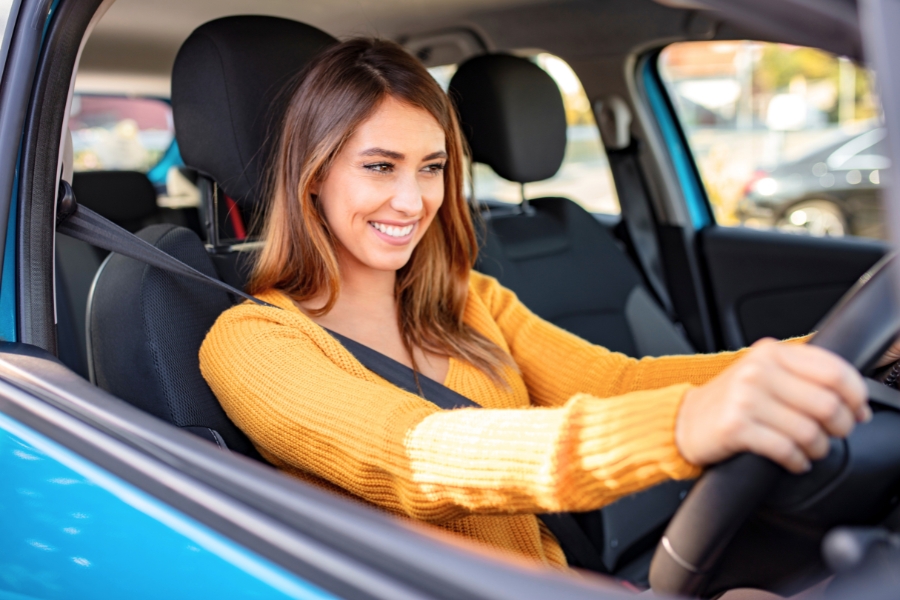
Maltese law prioritises the protection of all vehicle occupants through mandatory safety restraints. Seatbelts must be worn by all passengers, both in the front and rear seats, at all times while the vehicle is in motion. Children under 3 years old must use a suitable child restraint system. Similarly, kids aged 3 to 10 should use an appropriate booster or seat. Failure to comply with these regulations carries immediate fines for the driver and potential insurance complications in the event of a claim.
Strict Prohibitions
Malta enforces some of the strictest road conduct laws in Europe to combat distracted and impaired driving. The legal Blood Alcohol Content (BAC) limit is 0.5g/l. However, for novice drivers who have held their licence for less than two years, the limit is effectively zero. Penalties for driving under the influence are severe, with heavy fines and the risk of licence suspension. Similarly, the use of a handheld mobile phone while driving is strictly prohibited and carries a €100 fine. Only hands-free systems are legally permitted.
What are the Hazards to Expect
Old Infrastructure
The infrastructure of Malta presents unique hurdles shaped by ancient urban planning. Many roads are exceptionally narrow, winding through limestone village cores where streets were originally designed for carts, not modern SUVs. You may find yourself navigating one-way systems that feel barely wide enough for a single vehicle, requiring careful mirror management and a slow pace.
Assertive Driving
The local driving culture is often described as assertive and unpredictable. Tourists should be prepared for drivers who may signal late, change lanes with minimal warning, or wait until the very last second to pull out of a junction. Maintaining a safe following distance and practising defensive driving are essential to managing the high-energy flow of Maltese traffic without stress.
Surface Condition
Surface conditions play a critical role in road safety due to the local climate. Because Malta receives very little rain for most of the year, a fine layer of oil, rubber, and dust builds up on the asphalt. When rain finally arrives, these roads become incredibly slick and greasy. This significantly increases braking distances and makes corners particularly treacherous for those unfamiliar with reduced-traction environments.
Urban Congestion
Malta has one of the highest car-ownership rates per capita in the world, which translates to heavy congestion. The North Harbour region, including Sliema and St. Julian’s, often experiences significant bottlenecks during morning and evening rush hours. Navigating these areas requires patience, as gridlock can occur quickly in the densely populated urban corridors.

What are the Security Concerns
Vehicle Theft
While Malta is statistically one of the safest countries in Europe regarding violent crime, property crime related to vehicles can occur in tourist hotspots. Vehicle theft is rare, but opportunistic theft from inside cars is a known issue. To mitigate this risk, you should never leave valuables on display. Items like cameras, passports, and laptops should be kept in the boot of the car or left in a hotel safe.
Street Parking
Another security consideration involves parking. While it is generally safe in terms of crime, the narrow streets and limited spaces lead to a high risk of minor vehicle damage. Your side mirrors can get clipped, and your doors can have scratches. Furthermore, you must watch out for unofficial parking attendants. While it is common practice to offer a small tip for their assistance, you are not legally obligated to pay them.
What is the Emergency Protocol
In the event of an emergency on the road, the most important number to remember is 112. This is the unified hotline for the police, ambulance, and fire services. For major accidents resulting in injuries, do not move the vehicle. Turn on the hazard lights and wait for the ambulance and police for assistance and further instructions. Do not admit fault even verbally.
For minor bumper-to-bumper incidents where there are no injuries, the law requires you to fill out a standard accident report form provided by your rental company. Take photos and videos of the scene. If the parties agree on who is at fault, you can exchange details and submit the form without police intervention.
In the case of a mechanical breakdown, pull over as far as possible and activate your hazard lights. Place your warning triangle approximately 50 metres behind the vehicle. Most rental agencies in Malta provide 24-hour roadside assistance. The number is usually indicated in your contract. It's best to save it on your phone, so you can call the company immediately.

Frequently Asked Questions on Safe Driving
Are speed cameras common on Maltese roads? Yes, Malta utilises a high density of fixed and mobile speed cameras to enforce limits on major roads and residential zones. Fines are issued automatically, so strictly adhering to the signposted speed limit is essential for both safety and your budget.
What hazards must I watch out for after it rains? Maltese roads become exceptionally slippery after light rainfall due to a build-up of dust and oil on the asphalt surface. You should increase your following distance and reduce your speed significantly to account for reduced traction.
How do I safely navigate narrow streets in villages? Approach blind corners with extreme caution and be prepared to yield to oncoming traffic in tight spaces. Local drivers often know the shortcuts well, so staying patient and keeping your speed low is the best way to avoid a scrape.
Is it safe to leave my valuables inside a parked car? It is strongly advised to keep all your valuables out of sight, preferably locked in the boot or left at your hotel. Opportunistic theft can occur in popular tourist car parks, and a clear window showing a bag is a high-risk invitation.
What must I do if I get involved in a minor accident? You should complete an accident form provided by your rental agency to document the incident for insurance purposes. If both parties agree on the facts, there is usually no need to wait for the police or local wardens to arrive.
Book a Rental Car and Drive Safely in Malta
Driving in Malta is an experience that combines the charm of old-world Mediterranean life with the modern convenience of personal mobility. While the narrow streets and assertive local habits might seem daunting at first, they are easily managed with a bit of patience and a commitment to safe driving practices.
If you are planning a trip to these historic islands, do not let the prospect of driving deter you. Instead, view it as an essential part of the Maltese experience. By respecting the local regulations, staying vigilant against road hazards, and following emergency protocols, you transform a simple commute into a scenic adventure.
There is no better way to discover the silent beauty of Mdina at night or the rugged cliffs of Dingli at sunset than with the freedom of your own vehicle. Renting a car allows you to set your own pace, escape the crowded tourist corridors, and find the authentic heart of the Mediterranean.
The roads of Malta are waiting to lead you to your next great discovery. Just remember to stay left, drive slowly, and keep your eyes on the stunning horizon. Experience the islands on your own terms. Book a reliable vehicle from Final Rentals, and get ready to explore.