The Maltese archipelago is often showcased as a sun-drenched paradise, but visiting during the low season from November to March reveals a different, unique experience. While summer months attract large crowds, the winter months offer an authentic, cultural side of Malta, free from tourist congestion. Instead of the harsh winters found in Northern Europe or North America, visitors can enjoy mild weather and stunning natural beauty. This article highlights why the low season is ideal for culture seekers, outdoor enthusiasts, and budget-conscious travellers, presenting a peaceful and green Malta to explore.
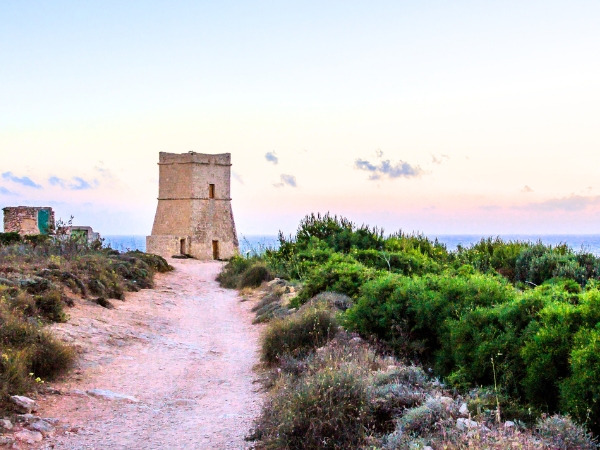
Perhaps the most startling change for those who have only seen Malta in the summer is the landscape. Throughout the summer, the islands are beautiful but undeniably arid, with the vegetation largely dormant under the heat. As soon as the first autumn rains arrive in October and November, the islands undergo a dramatic green transformation. Fields that were once brown and dusty suddenly burst into life with vibrant grasses, wild fennel, and a variety of flora. The scent of wild thyme and citrus blossoms fills the air, and the countryside becomes a lush playground for explorers. This is the only time of year when you can see the islands in their full, emerald glory.
Regarding the weather, visitors should expect mild temperatures. While it is certainly not swimming weather for most, it is exceptionally comfortable for walking and sightseeing. It is important to note, however, that the low season does bring the occasional Mediterranean storm. These are often short-lived but can be quite dramatic, featuring heavy rain and strong winds that lash against the ancient fortifications. The humidity in Malta is high year-round, which means that while eighteen degrees Celsius sounds warm, the damp sea air can make it feel quite crisp once the sun goes down.
The atmosphere during these months is significantly more relaxed. The frantic energy of the summer beach clubs is replaced by a locals-first vibe. In the squares of Valletta or the narrow streets of Victoria in Gozo, the pace of life slows down. You will find that restaurant staff have more time to chat, the streets are filled with residents going about their daily lives rather than tour groups, and the overall experience feels much more like living in a community rather than visiting a theme park. It is a time for slow coffee in sun-drenched piazzas and long, uninterrupted dinners in candlelit wine cellars.
One of the most practical reasons to choose a winter break in Malta is the significant cost efficiency. Once the peak season concludes, the prices for luxury accommodation and boutique hotels in historic palazzos plummet. You can often find five-star rooms for a fraction of their summer cost, allowing you to stay in high-end areas like Valletta or St. Julian's on a modest budget. Furthermore, many budget airlines offer rock-bottom flight prices from major European hubs during these months, making a spontaneous long weekend incredibly affordable.
Beyond the financial savings, the greatest luxury of the low season is the ability to sightsee without the surge of crowds. Malta is home to some of the world’s most significant historical sites, including the Ħal Saflieni Hypogeum and St. John’s Co-Cathedral. In the summer, securing a ticket for the Hypogeum can require booking months in advance, and the cathedral can feel like a busy railway station. In January or February, the experience is entirely different. You can stand before Caravaggio’s masterpiece, The Beheading of Saint John the Baptist, in near-silence, absorbing the gravity of the art without being jostled by other tourists.
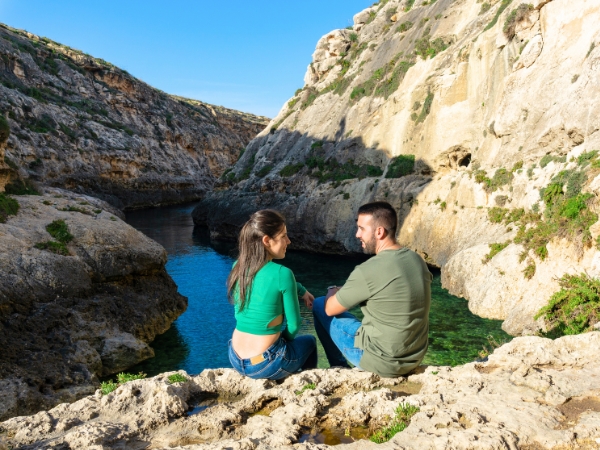
Active exploration is another major draw. The Maltese summer heat can be oppressive, making physical activity outside of the water nearly impossible during the day. In the low season, the climate is perfect for hiking along the dramatic Dingli Cliffs or cycling through the rolling hills of Gozo. The air is crisp and clear, providing photographers with incredible visibility and golden hour lighting that lasts much longer than it does in the summer. For those who enjoy being outdoors, the winter months offer the best conditions for exploring the rugged coastline and hidden valleys that remain inaccessible to those who cannot brave the July heat.
Mdina is perhaps at its most enchanting during the low season. Without the midday heat and the crush of day-trippers, the city truly lives up to its name. On a cool winter evening, when a light mist occasionally rolls in from the surrounding valleys, the empty, lamplit cobblestone alleys feel like a film set from a bygone era. It is the perfect time to explore the city's noble history and enjoy a quiet meal in one of the restaurants tucked into the bastion walls, overlooking the twinkling lights of the island below.
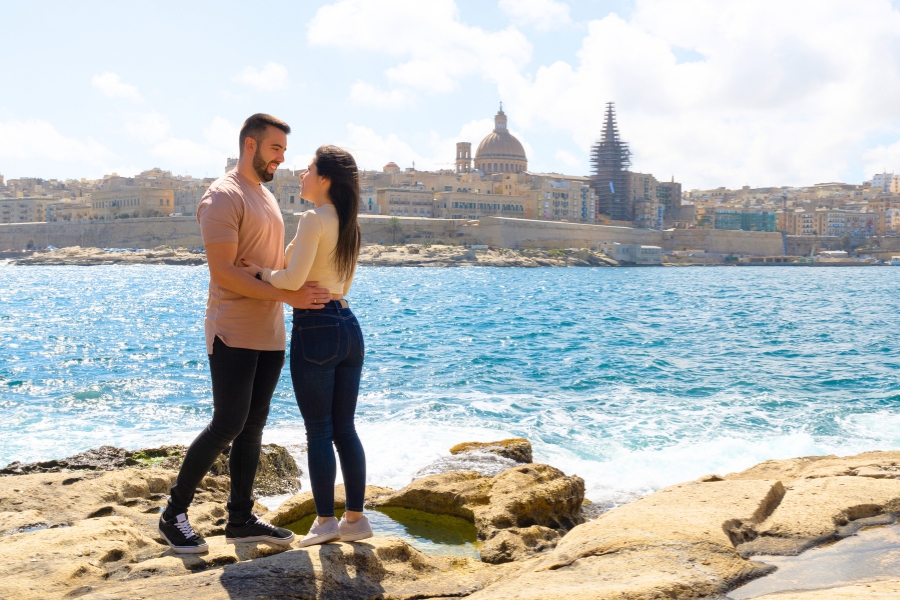
Valletta, the capital, remains a vibrant cultural hub throughout the year. While the beaches are empty, the city’s theatres, museums, and wine bars are in their prime. The Valletta Baroque Festival in January brings world-class musicians to perform in stunning historic venues, including the Teatru Manoel. The city’s narrow streets, lined with traditional colourful balconies, are much more pleasant to navigate when you aren't competing for pavement space. It is a season for exploring the Grand Master's Palace and the National Museum of Archaeology at a leisurely pace before ducking into a cosy basement bar for a glass of local red wine.
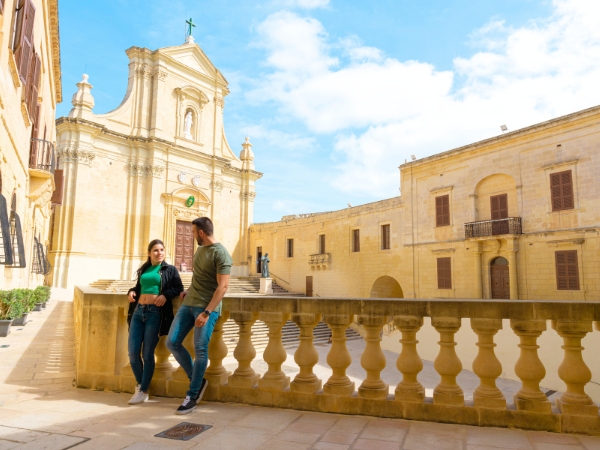
The island of Gozo is particularly beautiful in winter. The countryside is at its most fertile, making it the best time to visit the Victoria Citadel. This ancient fortified city offers 360-degree views of the entire island, which appears as a patchwork of green fields and blue sea. Coastal trails are invigorated by the crashing waves of the winter sea. Similarly, the prehistoric temples of Ħaġar Qim and Mnajdra are far more enjoyable to visit. Located on exposed clifftops, these megalithic structures offer little shade, making a winter visit much more comfortable than a summer trek across the sun-baked rocks.
The low season is also a time of significant cultural celebration in Malta. Christmas is a deeply traditional affair, marked by the elaborate creation of Presepju or nativity scenes. These are not merely small decorations but often large, mechanical displays that are open to the public in garages and community halls across the islands. Meanwhile, Valletta transforms into a festive wonderland with the Fairyland Market, featuring a Ferris wheel and ice rink against the backdrop of the city’s fortifications. It is a heartwarming time to experience Maltese hospitality and religious devotion.
February brings the explosion of colour and satire that is the Malta Carnival. This is one of the oldest annual festivals on the islands, dating back to the time of the Knights of St. John. In Valletta, massive, brightly coloured floats parade through the streets, accompanied by dancers in intricate costumes. For those seeking something a bit more unconventional, the town of Nadur in Gozo hosts a spontaneous carnival that is famous for its macabre and satirical themes. It is a raw, energetic, and slightly surreal experience that offers a glimpse into the creative and irreverent side of Maltese culture.
Choosing to visit Malta during the low season is a decision to see the islands in their most honest and beautiful state. While you may trade the beach towel for a light jacket and a pair of hiking boots, the rewards are immense. You gain a deeper connection to the history of the islands, the freedom to explore world-class heritage sites in solitude, and the opportunity to witness a landscape that is lush and full of life. It is a season of quiet beauty, cultural richness, and exceptional value that proves Malta is far more than just a summer destination.
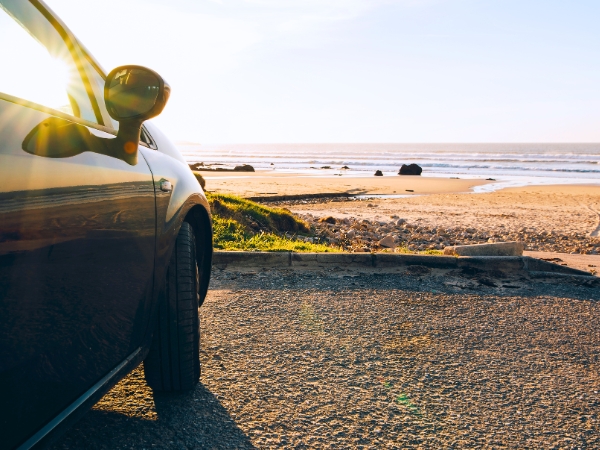
To truly unlock these hidden rural gems and scenic clifftops at your own pace, it is highly recommended to rent a car. With low off-season rates and easy parking, it is the best way to turn a winter trip into a true Maltese adventure. Rent a car today from Final Rentals and prepare to explore the authentic beauty of Malta.