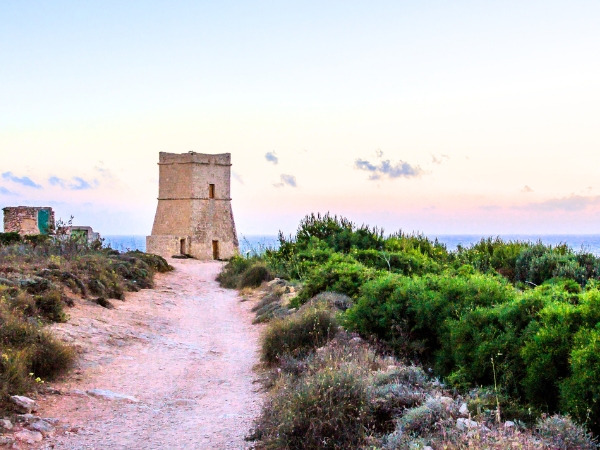
Renting a car is widely regarded as one of the most practical ways to explore the Maltese archipelago. While the public transport system covers major thoroughfares, having your own transport enables you to reach remote coastal spots, historic villages, and scenic cliffs. However, navigating the local car rental landscape requires preparation.
This comprehensive guide details every critical factor within a Maltese car rental agreement that you should carefully consider before signing. Understanding the fine print of your contract helps you to make informed decisions and avoid disputes or unexpected charges when you rent a car in Malta.

When you rent a car in Malta, examining the itemised cost breakdown is essential. The initial quotation displayed on booking portals often reflects only the base rate for the vehicle. However, the final price you will pay will include various charges. The most prominent one is the mandatory 18% Value Added Tax (VAT), which is often automatically included in quotes, but you should still double-check.
Another common one is the Premium Location Surcharge, a fee applied to vehicles collected at major transport hubs like the Malta International Airport in Luqa. You should also look out for optional equipment rentals, such as child safety seats and navigation units. Furthermore, check driver-related costs, like the Young Driver Surcharge for renters below 25 years old, and the Additional Driver Fee for registering extra drivers in the contract.
Insurance is a vital factor in car rental agreements, and is usually the source of confusion and contention. Standard packages often include the mandatory Third-Party Liability (TPL) and basic Collision Damage Waiver (CDW). However, these come with an excess or deductible, ranging between €1,000 and €2,500, which is the amount you pay out of pocket before the insurance kicks in.
To reduce this financial liability, you can purchase Zero Excess coverage or Super CDW either directly from the agency or through an independent insurer. It is vital to note that even with these packages, you must check if there are specific exclusions, such as damage to tyres, glass, undercarriage, and roof. You might need to purchase extra protection to cover these vulnerable car parts.
Given the narrow streets and tight parking spaces across Malta, rental cars are subject to minor scuffs, scratches, and abrasions. Before leaving the rental lot, you must conduct a thorough inspection of the vehicle alongside a company representative. As you walk around the car, take time-stamped, high-quality photos and videos of its interior and exterior.
Every existing flaw, no matter how minor, must be documented on the official Vehicle Condition Report. Ensure the rental agent signs off on all recorded damages before driving off the premises. This document, along with your mobile recordings, will serve as evidence and protect you from unfair damage claims at the end of your trip.
Timing in Maltese rental agreements strictly governs the duration of your contract. Most agencies operate on a strict 24-hour rental cycle with a standardised grace period, typically 60 minutes, for late collection and returns. For drop-offs, exceeding the grace period usually triggers a charge for an entire additional day. For pick-ups, if your arrival flight gets delayed, you must contact your provider immediately to avoid being marked as a no-show.
It’s best to give your flight details to the agency before your trip, so they can track changes. If your arrival or departure falls outside the operating hours, you must check the procedure and verify Out-Of-Hours Fees. It is best to ask for a special meet-up with a rental representative; returning a vehicle via a key drop-box after hours means you remain fully liable for the vehicle’s security until an agent can physically inspect it when the facility re-opens.
Cancellation clauses vary depending on whether the reservation was made under a flexible or non-refundable booking. Flexible agreements generally permit free cancellation up to 24 or 48 hours before the scheduled pick-up time. Conversely, non-refundable reservations rarely yield cash paybacks if your plans change unexpectedly.
Additionally, contracts define strict no-show clauses: if a driver fails to collect the car within a designated window following the scheduled pick-up time without prior notice, the reservation may be cancelled, the car reallocated, and the payment forfeited. Furthermore, early returns typically do not entitle renters to a pro-rata refund for unused days, meaning you’ll still be charged for the whole duration of the contract.

Fuel policies must be explicitly stated in your agreement. Some agencies offer a Pre-Purchase option, allowing drivers to buy the initial tank of fuel and return the vehicle empty; however, unused fuel under this scheme is non-refundable, making it less cost-effective.
The best arrangement is the Full-to-Full option, where you collect the vehicle with a full tank of fuel and must return it the same way. Just remember to refuel at a nearby station before dropping off the car. If you return the vehicle with less fuel than expected, the agency will charge steep per-litre rates alongside a hefty refuelling service charge.
Due to the compact geography of the Maltese Islands, the majority of rental contracts offer unlimited mileage. This means there are no restrictions on how far you will travel. You can drive freely across the main island and Gozo without tracking your odometer and worrying about distance-based surcharges.
However, drivers booking specialised vehicle categories, such as luxury saloons, passenger vans, or vintage cars, should double-check the contract for daily distance caps. Where mileage limits exist, exceeding the stipulated daily allowance results in a per-kilometre fee applied at checkout.
In Malta, rental agreements require vehicles to be returned in a clean state consistent with ordinary road use. While light surface dust or road grime is acceptable under normal wear and tear, excessive dirt leads to penalties. Returning a car with sand-covered carpets, salt stains, or wet seats resulting from trips to the beach often incurs a hefty Cleaning Fee.
Furthermore, smoking inside the vehicle and carrying unauthorised pets are strictly prohibited across all rental fleets, with violations incurring substantial sanitisation penalties. To avoid fines, strictly adhere to the restrictions and perform a quick clean before returning the car. You can also use towels or covers to avoid the seats and floor getting wet and dirty.
While driving across the main island of Malta is standard, taking a rental car onto the Gozo Channel Ferry requires explicit written approval. Most major rental providers permit transit to Gozo, but third-party insurance policies or breakdown coverage may have specific conditions during marine transit.
Additionally, agreements strictly prohibit off-road driving. Taking a rental car onto unpaved tracks, rocky coastal access roads, or rough trails, such as those leading to remote coves, invalidates all insurance policies. This means you will be financially liable for any tyre, undercarriage, or suspension damage resulting from off-road use.
A comprehensive contract outlines clear protocols for emergency and roadside support. Basic rental agreements usually provide free services for mechanical breakdowns and failures not caused by driver error. To cover mishaps, such as empty batteries, locked-in keys, or tyre punctures, drivers can get optional roadside assistance protection.
In the event of an accident or collision, Maltese law and rental agreements require specific steps: drivers must stop immediately, refrain from moving the vehicles unless obstructing critical traffic, call the local traffic wardens or police to file an official report, and immediately notify the rental company's emergency contact number.

What is the age limit for renting a car in Malta? The minimum age to rent a vehicle in Malta is typically 21 years old, with drivers under 25 incurring a daily Young Driver Surcharge. Similarly, drivers over 70 or 75 may face Senior Driver Surcharges or be required to present a medical certificate confirming fitness to drive.
Can I drive my rental car off the road in Malta? Car rental contracts in Malta strictly prohibit driving on unpaved roads, dirt tracks, or rough coastal access routes. Any undercarriage, tyre, or suspension damage resulting from off-road use is completely excluded from insurance and billed directly to the driver.
Can I take my rental vehicle on the Gozo ferry? Most Maltese car rental contracts permit transit to Gozo, though you must verify whether ferry transit is explicitly covered under your policy. Any unapproved marine transit or damage incurred during embarkation will leave the renter fully liable for all repair costs.
What is the most common fuel policy in Malta? The most common arrangement is the Full-to-Full policy, wherein you receive the vehicle with a full tank and return it in the same way. Dropping off the car with less fuel than expected incurs a steep per-litre refuelling charge alongside an administrative handling fee.
What will happen if I drop off a rental car late? Maltese agreements usually include a brief grace period, typically around 30 to 60 minutes, after which an extra full day's rate is charged. Unauthorised late returns may also incur additional administrative penalties and invalidate your insurance coverage.
Renting a car in Malta provides unmatched freedom to explore the island’s rich history and coastlines at your own pace. However, enjoying a seamless experience requires careful attention to the rental agreement. Taking ten minutes to read the terms and conditions before signing prevents unexpected charges and eliminates potential disputes upon vehicle return.
A clear understanding of your contract empowers you to navigate Maltese roads with complete confidence and peace of mind. Scrutinising the cost breakdown, managing insurance risks, inspecting the vehicle thoroughly, and abiding by the rental policies ensures that you remain fully protected throughout your trip.
Planning a road trip across the Maltese archipelago? Ensure a smooth journey by applying the local knowledge and practical tips you got from this comprehensive guide. Rent a car in Malta today and review your agreement meticulously for an unforgettable and hassle-free Mediterranean adventure.