The Maltese archipelago boasts a unique blend of rich cultural heritage and breathtaking natural landscapes. Positioned at the heart of the Mediterranean, these islands provide an extraordinary tapestry for photographers seeking incredible sights, from megalithic stone temples and medieval fortified cities to turquoise lagoons and towering limestone cliffs.
With an average of 300 sunny days each year, the archipelago offers exceptional conditions for shooting across every season. Combined with the deep azure of the surrounding sea, the vibrant primary colours of traditional fishing boats, and the splash of bougainvillaea against historic walls, Malta, Comino, and Gozo create the perfect backdrop for your portraits.
To truly capture the spirit of the archipelago, you need the right tools and some local insights. This comprehensive guide provides everything you need to know, from finding the best destinations on the islands to securing the right gear and renting the perfect vehicle. Whether you are a beginner or a professional photographer, finding picturesque spots in Malta is an effortless endeavour.

The main island of Malta serves as the cultural and historical core of the archipelago, boasting historical landmarks, dramatic geological formations, and scenic coastal views.
Valletta, the nation's capital, is a masterpiece of Baroque architecture and military fortification. Shooting in Valletta requires an eye for grid-like streetscapes that drop sharply down toward the sea, framed by iconic timber balconies known locally as gallariji. The Upper Barrakka Gardens offer a majestic sweeping vista across the Grand Harbour towards the Three Cities, an ideal viewpoint during sunrise when the early light hits the fortresses of St. Angelo and Ricasoli. Within the city walls, St. John’s Co-Cathedral presents an opulent contrast of ornate gilded interiors and intricate marble tombstones, providing rich opportunities for low-light detail photography.
Moving inland, Mdina, known as the Silent City, offers a journey back to medieval times. The narrow, winding stone alleys of this fortified hilltop town create a natural canvas for shadow and light. Photographers frequently flock to the famous blue door draped in vivid pink bougainvillaea near the bastion walls, but equally compelling compositions exist in the quiet stone archways, historic knockers, and warm street lamps that illuminate the limestone passages during the blue hour.
Further east lies Marsaxlokk, a traditional fishing village renowned for its tranquil harbour filled with colourful Maltese luzzu boats. These traditional wooden vessels, painted in bright hues of yellow, red, green, and blue, feature the ancient "Eyes of Osiris" on their prows to ward off bad luck at sea. The calm water of the bay acts as a mirror, creating wonderful reflection shots, particularly during the gentle morning light when local fishermen tend to their nets along the quay.
Along the southern coast, the Blue Grotto and Wied Iż-Żurrieq showcase Malta's raw geological beauty. The massive natural limestone arch rises dramatically from the sea, where glowing azure sea caves reflect light off the white sandy seabed below. Capturing this spot from the high clifftop viewpoint provides an expansive panoramic composition, while descending to the water on a small wooden boat allows for detailed close-ups of the shimmering blue waters inside the caverns.
For seascape lovers, Dingli Cliffs and St. Peter's Pool are essential stops. Standing as the highest point on the island, Dingli Cliffs offer open, west-facing views across the Mediterranean towards the uninhabited islet of Filfla, making it one of the premier locations for sunset photography. Conversely, St. Peter's Pool near Delimara Point features a horseshoe-shaped natural limestone amphitheatre enclosing crystal-clear turquoise waters, perfect for action shots of swimmers diving off the smooth rock ledges.
Rounding off the main island is Popeye Village at Anchor Bay. Originally constructed as the film set for the 1980 musical production, the rustic wooden buildings now cling to the cliff sides surrounding the bay. Viewed from the high cliffs opposite the set, the contrasting wooden structures against the vibrant green-blue waters create a whimsical, fairytale composition.

While Malta holds many famous sights, travelling to the other islands reveals unique wonders that stand in contrast to the mainland landscapes.
A short ferry journey across the channel brings you to Gozo, Malta's sister island, characterised by a greener, more rural landscape and a noticeably slower pace of life. At its heart sits Victoria and its towering Citadel. The restored fortifications offer a 360-degree panorama over the entire island, taking in terraced fields, domed parish churches, and distant sea views, making it an ideal location for landscape and architectural photography.
The Xwejni Salt Pans present one of the most unique geometric photographic subjects in the region. Carved into the northern coast over three centuries ago, these shallow, grid-like pans stretch along the sea edge. During late afternoon, as the sun begins to set, the calm saltwater trapped in the pans creates brilliant reflection pools that mirror the dramatic sky, contrasting sharply with the carved yellow sandstone borders.
At Dwejra Bay, the landscape turns rugged and primal. Though the famous Azure Window collapsed into the ocean during a storm in 2017, the area remains a power centre for marine photography. The Inland Sea, a secluded seawater lagoon linked to the open ocean through a narrow natural tunnel, offers striking framing opportunities, while Fungus Rock sits majestically in the bay, catching the final direct rays of the setting sun.
Further north, Wied il-Għasri and Wied il-Mielaħ showcase the power of coastal erosion. Wied il-Għasri is a narrow, winding sea canyon sandwiched between towering cliffs that opens up to a tiny secluded beach. Shooting down into the gorge from the clifftop paths highlights the striking contrast between the dark cliff walls and the glowing turquoise water. Wied il-Mielaħ features a massive, square-shaped natural rock arch that acts as a dramatic frame for long-exposure ocean photography.
Situated between Malta and Gozo, the tiny island of Comino is almost uninhabited, offering raw natural coastal scenery. Its most famous attraction is the Blue Lagoon, renowned worldwide for its luminous, neon-blue water over a seabed of bright white sand. Framing the lagoon from the rocky paths above allows you to capture the contrast between the jagged limestone, the azure waters, and the small islet of Cominotto just across the channel.
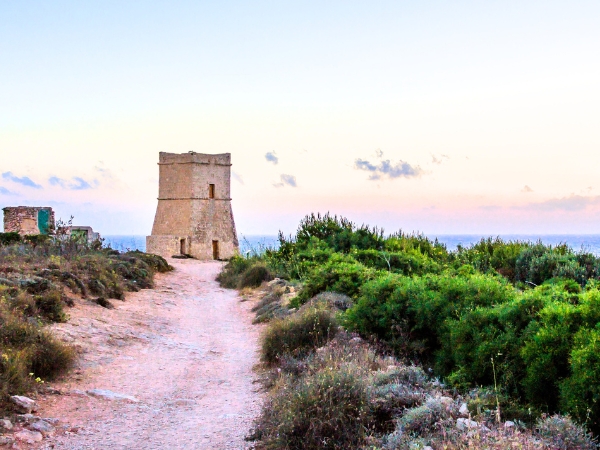
For a quieter alternative, Crystal Lagoon and St. Mary’s Tower offer dramatic photographic opportunities. Crystal Lagoon boasts deep, clear turquoise waters surrounded by high vertical cliffs and hidden sea caves, accessible mainly by boat. Nearby, the 17th-century St. Mary’s Tower stands as a solitary sentinel over the island's southern coast, providing an elevated vantage point to photograph dramatic cliff edges meeting the Mediterranean Sea.

Timing your shoots is critical. Golden hour brings out the best in Malta's architecture, as the warm limestone radiates a rich golden glow that softens harsh shadows. Early morning shoots in Valletta or Mdina also allow you to capture empty streets before tourists arrive. Conversely, midday light should be reserved for locations like the Blue Lagoon or Blue Grotto, as the high sun shines directly into the water, maximising its clarity and brilliant turquoise colour.
Selecting the right gear is just as vital as finding the right time and choosing the locations. A versatile camera kit should ideally include a wide-angle lens to properly capture narrow historic streets in Valletta or expansive cliffside views at Dingli. A standard zoom lens serves well for general street photography and framing fishing boats in harbours, while a telephoto lens is useful for compressing cliff perspectives and isolating distant architectural details like church domes. Specialised filters, a sturdy tripod, and a dry bag to safeguard your equipment from salt spray complete the setup.
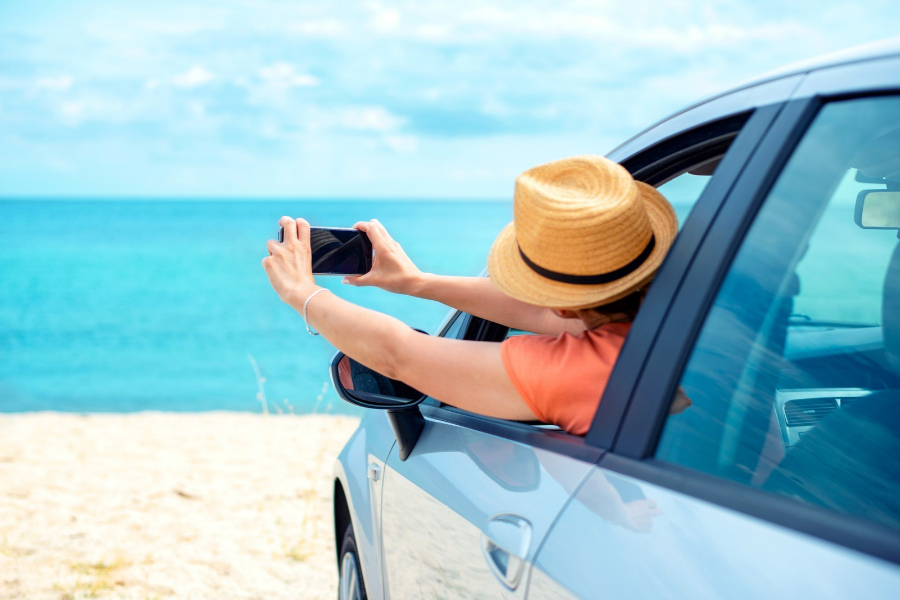
Navigating between these sites efficiently requires a reliable vehicle. Renting a car in Malta provides the ultimate freedom to chase the best light, enabling you to capture a coastal sunrise on the east coast and drive across to a west-facing cliff for sunset in under 45 minutes. A compact car allows you to reach remote locations like St. Peter's Pool or the Xwejni Salt Pans, which are poorly served by public transport, while enabling you to arrive at popular tourist spots well before the tour buses arrive.

What is the best time of day to embark on a scenic drive? Rush-hour traffic peaks heavily around major towns between 07:00–09:00 and 16:00–19:00, so it is best to travel during these windows. Scheduling your driving for early morning golden hour or early afternoon ensures clear roads and optimal lighting conditions at coastal destinations.
Is it difficult to park near picturesque locations in Malta? Most coastal lookout points and rural locations offer dedicated open-air parking spaces right next to the scenery. However, historic cities like Valletta and Mdina prohibit non-resident vehicles within their gates, requiring you to park in outdoor garages situated just outside the city walls.
Are there special rules for flying camera drones in Malta? Drone photography is permitted, but operators must register with Transport Malta and hold valid third-party insurance regardless of the drone's weight. You must also request flight authorisations through the official aviation portal and avoid restricted zones like airport approaches, Valletta, and densely populated beaches.
The Maltese Archipelago is a photographer's dream, condensing centuries of rich history, striking Baroque and medieval architecture, and breathtaking geological formations into an accessible Mediterranean location. From the quiet stone alleys of Mdina to the glowing sea caves of the Blue Grotto and the geometric reflection pools of Gozo's salt pans, the islands offer endless creative inspiration.
While public transit exists, the key to truly capturing the archipelago's changing light lies in total flexibility. By having your own ride, you unlock the ability to beat the crowds, explore hidden viewpoints, and navigate between destinations effortlessly. So, book your rental car today and prepare to discover the most picturesque spots in Malta and its sister islands.