Finalrentals Blog


Published in Driving Category.
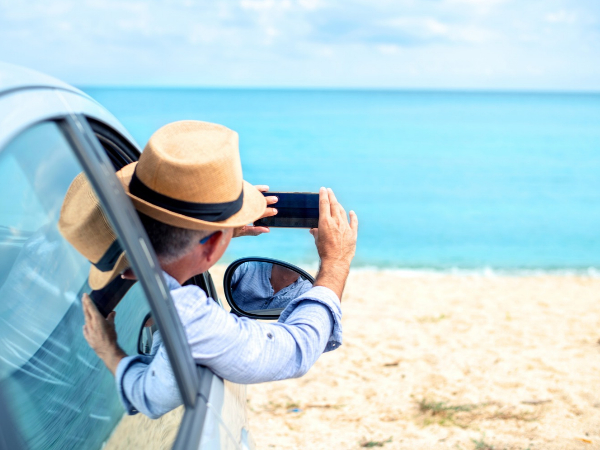
Exploring the Maltese archipelago by car is one of the most rewarding ways to experience the islands. While the public transport system is extensive, having your own vehicle provides the freedom to reach secluded coves like Għar Lapsi or the silent, wind-swept cliffs of Dingli at your own pace. However, driving in Malta is often described as a challenging experience that requires a blend of technical knowledge and cultural intuition.
With the highest car-to-population ratio in the European Union, the roads are busy, and the rules of engagement are as much about official regulations as they are about local customs. This comprehensive guide provides everything you need to know about the driving rules in Malta to ensure your journey is safe and enjoyable.
The Local Driving Requirements
Before you get behind the wheel, it is essential to understand the basic legal prerequisites for driving in Malta. The requirements are relatively straightforward, but there are specific details that can catch travellers off guard if they are not prepared.
Legal Documents
To drive legally, you must hold a valid driving licence. If your licence is issued by an EU or EEA member state, you don’t have any restrictions. If you are from a different region, but your license is in English, you can also use it to drive in the country for up to twelve months. However, if your licence is not in the Latin alphabet, or if you plan an extended stay, obtaining an International Driving Permit (IDP) is highly recommended. Aside from your license, it is always wise to carry your passport and insurance documents with you whenever you are on the road.
Age Restrictions
While the legal driving age is 18, most rental companies set their minimum age limit at 21 years old. Furthermore, drivers between the ages of 21 and 25 often face a Young Driver Surcharge, which is an additional daily fee added to the rental cost. Similarly, some agencies impose a maximum age limit, typically 70 or 75 years old. Aside from paying an additional fee, senior drivers are also often required to submit a recent medical certificate.

The Official Driving Regulations
The official driving rules in Malta are governed by the Highway Code, which has been recently updated to reflect modern mobility trends. The most fundamental rule to remember is that Malta drives on the left-hand side of the road, a legacy of its history as a British colony.
Speed Limits
Adherence to speed limits is strictly monitored by a network of fixed and mobile speed cameras. In built-up urban areas and village cores, the limit is typically 50 km/h, though this often drops to 30 km/h in residential zones or near schools. On open rural roads, the national limit is 80 km/h. It is important to note that Malta has no motorways, and the dual carriageways that exist still carry the maximum limit.
Safety Rules
The country’s safety regulations include the mandatory use of seat belts for the driver and all passengers in the vehicle. Using a mobile phone while driving is strictly prohibited unless you are using a hands-free system. Even holding a device while stationary in traffic can result in a significant fine and penalty points on your licence.
Malta also has some of the strictest drunk driving laws in Europe. The legal blood alcohol limit for most drivers is 0.5g/l. For novice drivers who have held their licence for less than two years, and for professional drivers of buses or heavy vehicles, the limit is 0.2g/l, effectively making it a zero-tolerance policy. Penalties for exceeding these limits are severe and can include heavy fines, immediate licence suspension, or even imprisonment.
Parking System
Parking in Malta can be a challenge, particularly in high-traffic hubs like Sliema, St. Julian's, and the Three Cities. To stay compliant, you must understand the colour-coded markings on the road. White boxes indicate public parking where anyone can park for free, though some may have time limits indicated by nearby signs. Blue boxes are often reserved for residents or are time-restricted; in these areas, you must display a parking clock on your dashboard to show your arrival time. Yellow lines mean parking is strictly prohibited, and vehicles left here are likely to be towed or clamped.
Valletta Access
The capital city, Valletta, operates under a Controlled Vehicular Access (CVA) system. Cameras at the entry and exit points read your number plate and calculate the time spent within the city walls. Fees are charged based on the duration of your stay, although entry after 14:00 on weekdays and all day on weekends and public holidays is usually free. The fee can be paid online, though it is usually settled by your rental agency, and will be added to your bill, along with a processing fee.
Gozo Ferry
A day trip to Gozo is something that you should not miss during your Maltese adventure. However, before you hop on this journey, verify that your rental agreement and insurance policy state that you can take the car on a ferry. The car ferry runs frequently from Cirkewwa in Malta to Gozo, making the travel between islands seamless. You do not pay on the way to the island; instead, you purchase your return ticket at the terminal in Mġarr when heading back to the mainland.
The Unwritten Road Guidelines
While the official laws provide the framework, the unwritten rules of the island provide the rhythm of the streets. Understanding the local nuances will help you navigate the roads with the same ease and confidence as the locals.
Driving Culture
Maltese driving culture is often described as assertive. One of the most famous local quirks is the concept of driving on the shady side of the road. While mostly a humorous exaggeration today, you may still see older drivers hugging the side of the road that offers relief from the Mediterranean sun, regardless of the lane markings. Indicators are frequently treated as optional accessories rather than essential warning tools. Local drivers may change lanes or exit roundabouts without signalling, so defensive driving is paramount.
Street Etiquette
It is common to see drivers using their horn frequently as a communication tool; this is rarely an act of aggression and more often a way to say hello or a warning that they are overtaking in a narrow street. Roundabouts themselves follow the rule of yielding to traffic coming from your right, but in practice, the driver who shows the most confidence often takes the lead.
Furthermore, navigating the ancient village cores requires patience and a bit of spatial awareness. Many streets were designed for horse-drawn carts and are barely wide enough for a modern hatchback. If you encounter an oncoming vehicle in a narrow lane, the general etiquette is that the driver closest to a wider gap or a side street should reverse to let the other pass.

Frequently Asked Questions on Driving Rules
To further understand the driving rules in Malta, here are the answers to some of the most frequently asked questions regarding regulations in the country.
- What is the speed limit if there are no signs? If there are no specific signs, the default speed limit is 50 km/h in built-up urban areas. On open rural roads, the maximum speed limit is 80 km/h.
- Am I allowed to turn left at a red traffic light? No, it is strictly illegal to turn left at a red traffic signal unless a specific green filter arrow is illuminated. You must remain stationary until the light changes to green.
- Are seat belts mandatory for all passengers? Yes, the law requires every person in the vehicle to wear a seat belt at all times while the car is in motion. This regulation applies to both front-seat and rear-seat passengers, regardless of the vehicle type.
- What is the rule for yielding at roundabouts? Drivers must always give way to traffic approaching from the right that is already inside the roundabout. You should only enter the flow of traffic when there is a safe and clear gap.
- How do parking colour codes work in Malta? White boxes indicate free public parking, while yellow lines signify that parking and stopping are strictly prohibited. Blue or green boxes are typically reserved for residents or have specific time restrictions that require a parking disc.
Secure a Car for a Driving Adventure in Malta
Driving in Malta is a quintessential part of the island experience. It requires a transition from the structured, predictable roads of other countries to a more fluid and spirited Mediterranean method. By respecting the official driving rules in Malta and embracing the local road etiquette, you can navigate the islands with confidence.
Navigating the country by car might be challenging at first, but the rewards of having your own transport are immense. You can watch the sunrise over the megalithic temples of Mnajdra, enjoy a long lunch in the fishing village of Marsaxlokk, and end the day with a sunset at Golden Bay.
Now that you are equipped with the essential knowledge to handle the Maltese roads, nothing is stopping you from getting behind the wheel. Rent a car from Final Rentals today, and immerse yourself in the vibrant culture and stunning landscapes of this Mediterranean gem. Your Maltese adventure is just a drive away!