Finalrentals Blog

Published in Explore Category.
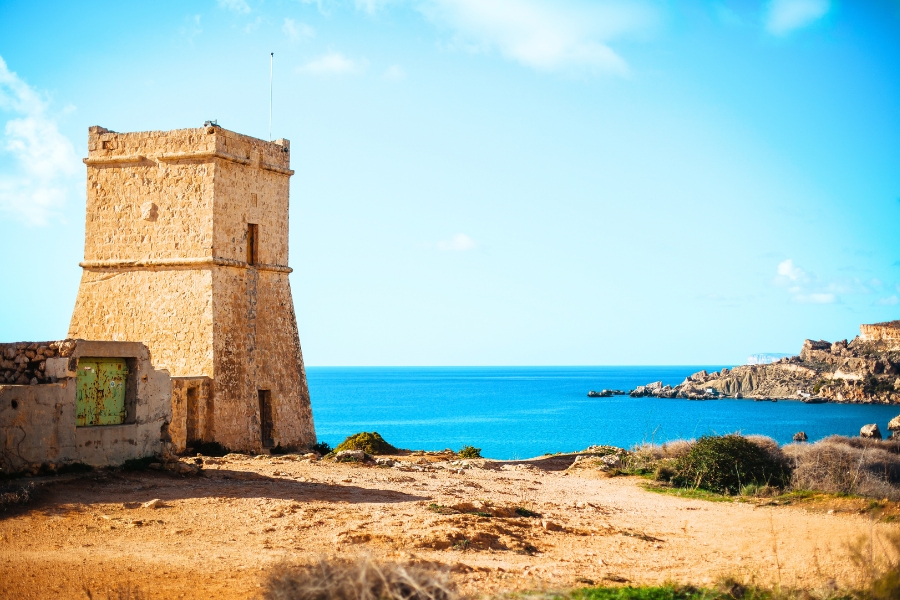
Malta’s dramatic coastline is a tapestry of rugged limestone cliffs, secluded turquoise bays, and centuries of military heritage. For centuries, these shores stood as vulnerable gateways to the Mediterranean, inviting invasion from empires and privateers alike. Among the most striking architectural remnants of this turbulent past are the historic watchtowers, which stand on the horizon like silent sentinels.
Built primarily during the seventeenth century, these formidable stone structures served as an interconnected early-warning system to protect the islands from surprise attacks. Today, they offer travellers a fascinating window into a bygone era of maritime warfare and knightly defence.
Many of the most awe-inspiring watchtowers in Malta are perched atop remote headlands, down narrow rural lanes, or along rugged coastal tracks that buses simply do not reach. While the country's public transport network is comprehensive, relying on buses can severely limit your exploration when chasing these coastal landmarks.
Renting a car provides the ultimate freedom and flexibility to reach these towers. With your own vehicle, you can seamlessly navigate winding country roads, linger as long as you wish at a secluded sunset viewpoint, and effortlessly transition from the northern cliffs to the rural charms of Gozo.

The History of Malta’s Watchtowers at a Glance
The Strategy of the Knights
The construction of watchtowers in Malta was born out of strategic necessity. Following the devastating Great Siege of 1565, the Knights of Malta realised that their fortifications around the Grand Harbour were insufficient to protect the entire coastline from marauding Ottoman forces and North African privateers. Villages were routinely raided, and citizens were captured into slavery.
To secure the islands, Grand Master Alof de Wignacourt initiated a major fortification program in the early seventeenth century, funding the construction of several large, heavily armed watchtowers in Malta at strategic coastal points. These early structures, known as the Wignacourt towers, were designed not only for signalling but also as defensive bastions capable of fighting off small-scale invasions independently.
The Evolution of the Towers
As decades passed and military threats shifted, subsequent Grand Masters, most notably Giovanni Paolo Lascaris and Martin de Redin, expanded the network further. The mid-to-late seventeenth century saw the addition of numerous smaller towers, which became known as the Lascaris and De Redin towers.
Unlike their massive Wignacourt predecessors, these later watchtowers in Malta were primarily designed as rapid-signalling posts. They formed a continuous visual chain where guards could communicate danger across the islands using fire by night and smoke by day, alerting the central garrison in Valletta within minutes.
The Key Architectural Styles
Almost all historical watchtowers in Malta share defensive and functional design traits, including vaulted stone ceilings, machicolations for dropping projectiles on attackers, and flat roofs equipped with protective parapets, all skillfully crafted from the island's native golden globigerina limestone. Architecturally, these fortifications showcase a fascinating evolution in defensive engineering characterised by two distinct styles:
The Wignacourt Towers (Early 17th Century): These large, square structures feature thick load-bearing limestone walls, prominent corner bastions, and heavy artillery platforms capable of housing cannons to independently repel small-scale enemy landings.
The Lascaris and De Redin Towers (Mid-to-Late 17th Century): These represent a shift toward smaller square or round footprints primarily built for observation and rapid signalling rather than heavy combat, featuring elevated doorways originally accessed via retractable wooden ladders to prevent unauthorised entry.

The Ultimate Watchtower Driving Route in Malta
Day 1: The Northern Fortresses and Bay
Your driving adventure begins in the north of the island, where some of the most imposing watchtowers in Malta command sweeping views that stretch all the way to Gozo and Comino. Start your morning early by driving up to St. Agatha’s Tower, situated on the Marfa ridge in Mellieha. Popularly known as the Red Tower, its striking red-painted exterior and massive corner towers offer breathtaking panoramas.
Afterwards, drive south toward the scenic coastline of Għajn Tuffieħa and Golden Bay. Here, you will find Lippija Tower, perched dramatically on the clay slopes overlooking the shimmering sea. Take a short walk to the coast to appreciate the tower’s unique circular architecture and the pristine natural surroundings.
Conclude your first day by driving along the scenic coastal road to Għallis Tower, located near Salina Bay. Built during the De Redin era, this square tower provides a magnificent backdrop as the sun begins to dip into the Mediterranean, casting a warm golden glow over the water.
Day 2: The Eastern and Southern Coasts
On your second day, direct your vehicle toward the eastern and southern edges of the island to explore a cluster of coastal defences. Start your morning at Madliena Tower, then drive past the bustling hub of St. Julian’s to see Saint Julian’s Tower, which stands as a historic anchor amid modern urban development.
From there, head south past Marsascala to reach St. Thomas Tower, a massive fortress that represents one of the most ambitious engineering projects of the seventeenth-century building phase. Continue along the jagged southern coastline toward the picturesque Delimara peninsula, where hidden coves and dramatic cliffs frame the landscape.
In the afternoon, make your way further west toward Żurrieq and Ħamrija Tower. Situated near the prehistoric site of Ħaġar Qim, Ħamrija Tower overlooks the uninhabited islet of Filfla and stands exposed to the powerful southern winds. The rugged isolation of this area provides a vivid sense of how lonely and vital guard duty must have been for the knights who once manned these isolated watchtowers in Malta.
Day 3: The Formidable Lookouts of Gozo
No exploration of Malta’s military heritage is complete without crossing over to its sister island, Gozo, which boasts its own formidable network of coastal watchtowers. Catch the early morning vehicle ferry from Cirkewwa, driving your rental car straight onto the vessel for a smooth transition.
Upon arrival in Gozo, drive westward to Dwejra Tower. Set against a dramatic backdrop of geological formations, inland seas, and lofty cliffs, this lookout is arguably one of the most photogenic watchtowers in Malta and its territories. Spend your midday driving inland and then toward the southern coast to visit Xlendi Tower, perched high above the picturesque fishing village cove. Xlendi is the oldest watchtower on Gozo, having been built during the tenure of Grand Master Lascaris.
Afterwards, drive northeast toward Nadur to explore Is-Sopu Tower, which commands views over San Blas Bay. Conclude your three-day driving tour by reflecting on the scale of this maritime defence network before catching a late afternoon ferry back to the mainland, having successfully circumnavigated the historic sentinels of the Maltese archipelago.

The Hidden Maltese Treasures Along the Route
Secret Viewpoints
Exploring these historic sites by car allows you to uncover secret viewpoints that most tourists usually miss. As you navigate coastal B-roads, keep an eye out for cliffside pull-offs near obscure battery ruins and hidden rocky inlets where the sound of the waves drowns out the rest of the world. These quiet spots provide perfect moments of reflection away from the crowds, allowing you to examine the smaller architectural details of crumbling stone walls and ancient graffiti carved into the limestone by historical guards.
Photography Spots
For photographers, chasing the watchtowers in Malta provides an endless array of stunning compositions. The best opportunities occur during the late afternoon golden hour, when the low sun illuminates the warm honey-toned hues of the limestone against the deep blue of the Mediterranean Sea. The Red Tower in Mellieha and the dramatic cliffs surrounding Dwejra Tower in Gozo are particularly spectacular during sunset, offering breathtaking silhouettes and rich textures that capture the timeless beauty of the landscape.
Local Food Pitstops
No road trip is complete without experiencing local culinary traditions, and your driving tour offers plenty of opportunities to sample authentic Maltese cuisine. Stop in traditional village squares, such as Mellieha or Nadur, to pick up freshly baked pastizzi, flaky pastry parcels filled with ricotta or mushy peas, paired with a cold bottle of local Kinnie. During your midday stops, seek out seaside tavernas in fishing villages like Marsaxlokk or Xlendi Bay, where you can enjoy a leisurely lunch featuring fresh catch of the day, traditional lampuki pie, or a hearty platter of local olives, bigilla, and crusty bread.

Frequently Asked Questions on Malta's Watchtowers
Can travellers go inside all of the watchtowers in Malta? Only a few prominent towers, such as the Red Tower in Mellieha, are fully restored and open to the public as museums. Many others remain closed internally, though visitors can witness and explore their external architecture and scenic settings.
What type of car is ideal for driving to the watchtowers? Booking a compact or economy car is highly recommended for reaching the watchtowers. Smaller rental vehicles make navigating narrow historic village streets and tight coastal lanes significantly easier.
Are the roads leading to the watchtowers paved and safe? While major coastal routes are smooth and well-maintained, some secondary tracks leading directly to remote watchtower sites can be rough or unpaved. You should proceed with caution and take it slow to protect your rental vehicle from potential undercarriage scrapes.
Is parking widely available near the historic watchtowers? Most coastal and rural watchtower locations offer free or informal roadside parking spaces nearby. However, you should always watch out for official restriction signs and avoid yellow-lined no-parking zones.
Book a Rental Car to Explore Maltese Watchtowers
Touring the watchtowers of Malta provides a window into the past and helps travellers gain a profound appreciation of how these ancient fortifications shaped the country’s destiny. From the grand bastions of the north to the rugged cliffs of the south and the tranquil coasts of Gozo, each stop along the route tells a compelling story of strategy, vigilance, and resilience against the backdrop of the Mediterranean Sea.
To truly experience the magic of these historic lookouts, having your own vehicle is essential. Embarking on a driving tour across the Maltese islands enables you to witness the archipelago’s breathtaking natural beauty, rich military history, and unique architectural wonders.
Do not let public transport timetables dictate your journey or prevent you from reaching these memorable landmarks. Book your ideal rental car, map out your bespoke itinerary, and hit the road to discover the magnificent watchtowers of Malta and all the hidden treasures waiting just beyond the conventional guidebooks.